Live feed

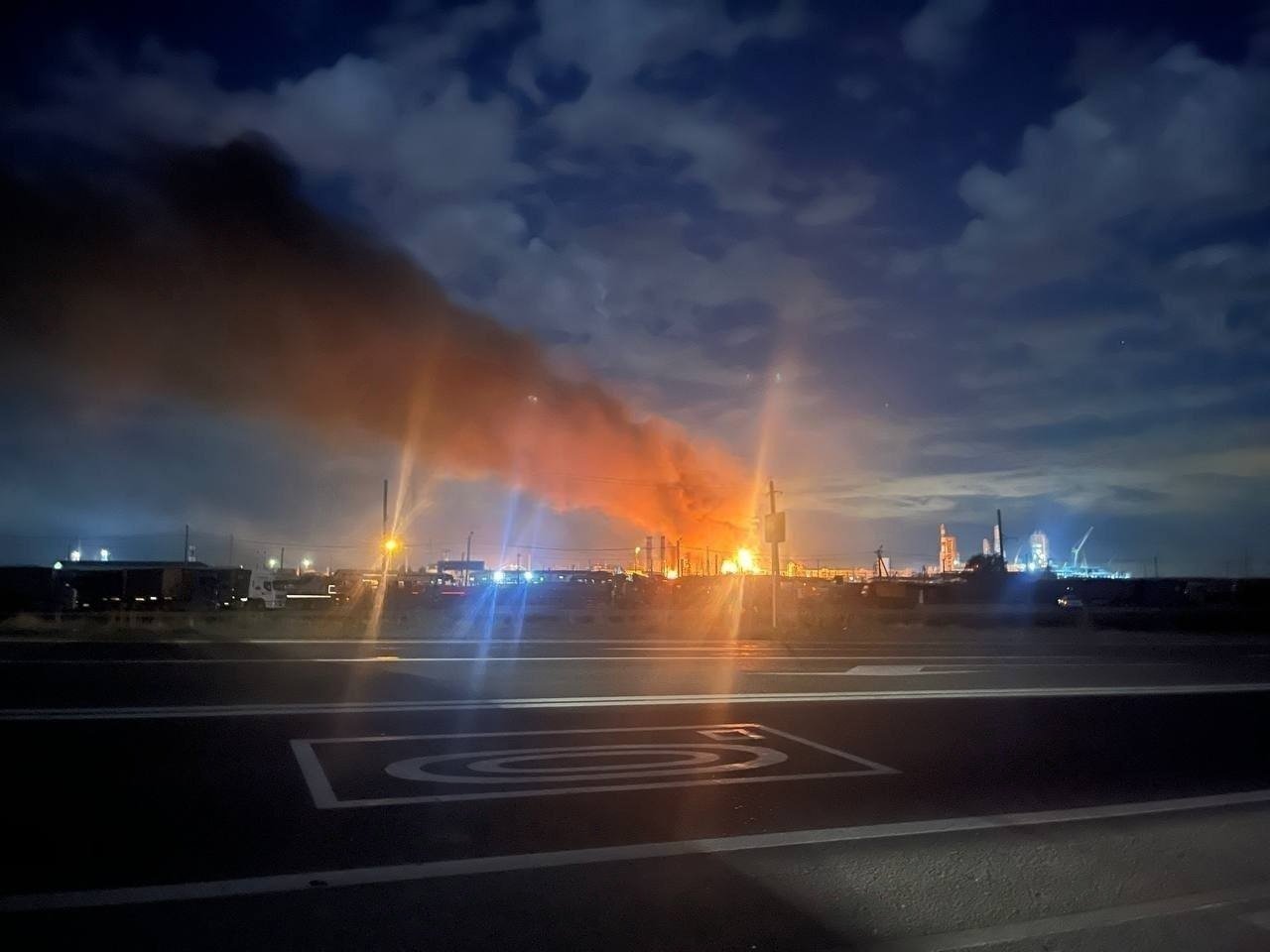
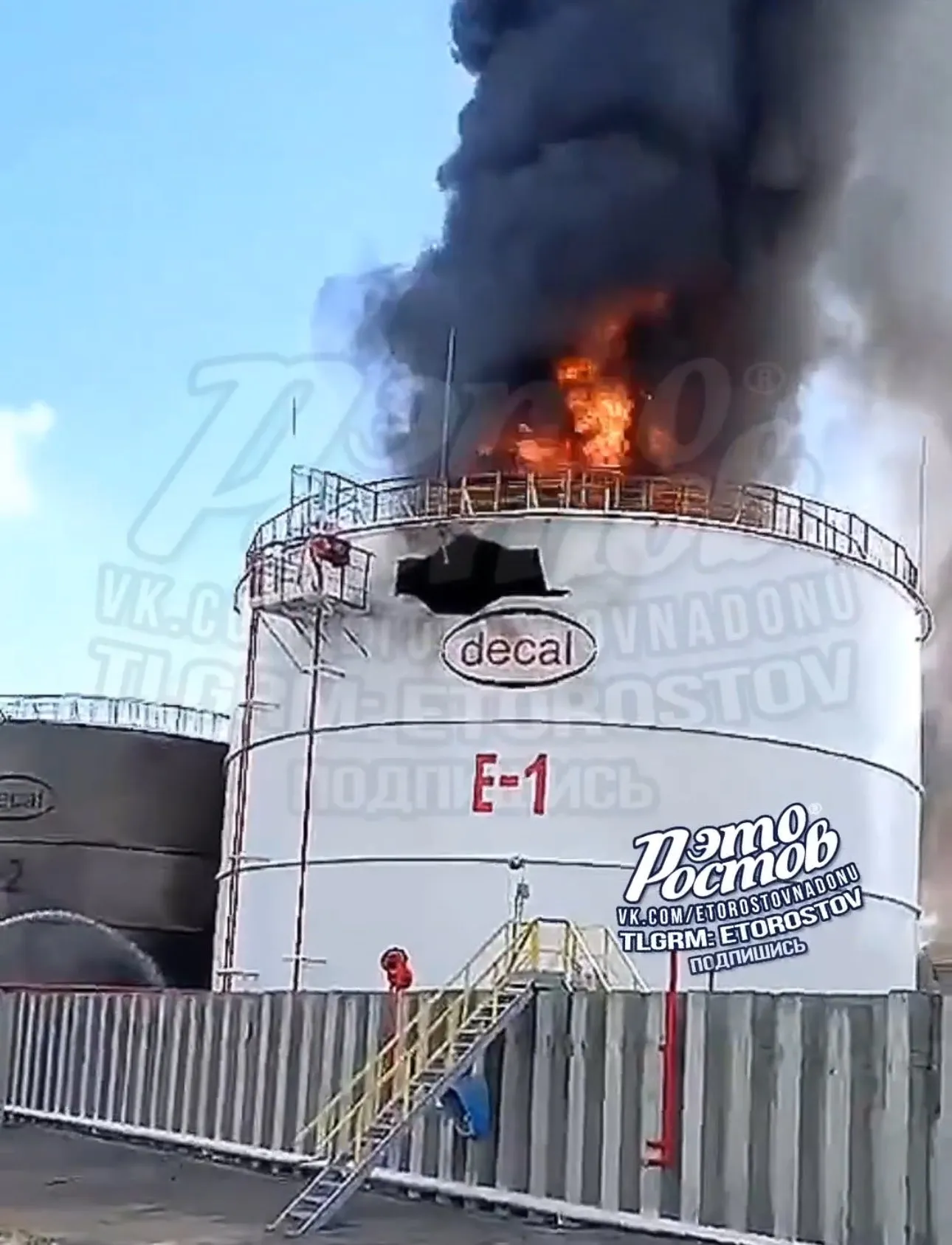
According to reports, Russia's Yug Rusi oil terminal in Rostov-on-Don is burning following a Ukrainian drone attack.
The facility has an annual handling capacity of approximately 3.5 million tons of petroleum products. Located on the Don River, it serves as a major storage and export hub, transferring fuel to tankers bound for the Sea of Azov and international markets. The terminal is linked to the Novoshakhtinsk oil refinery.
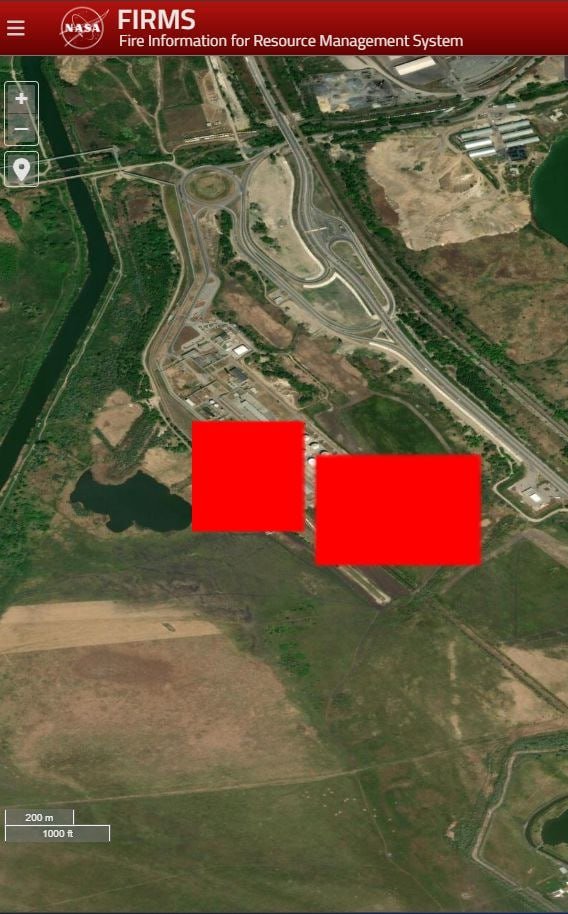
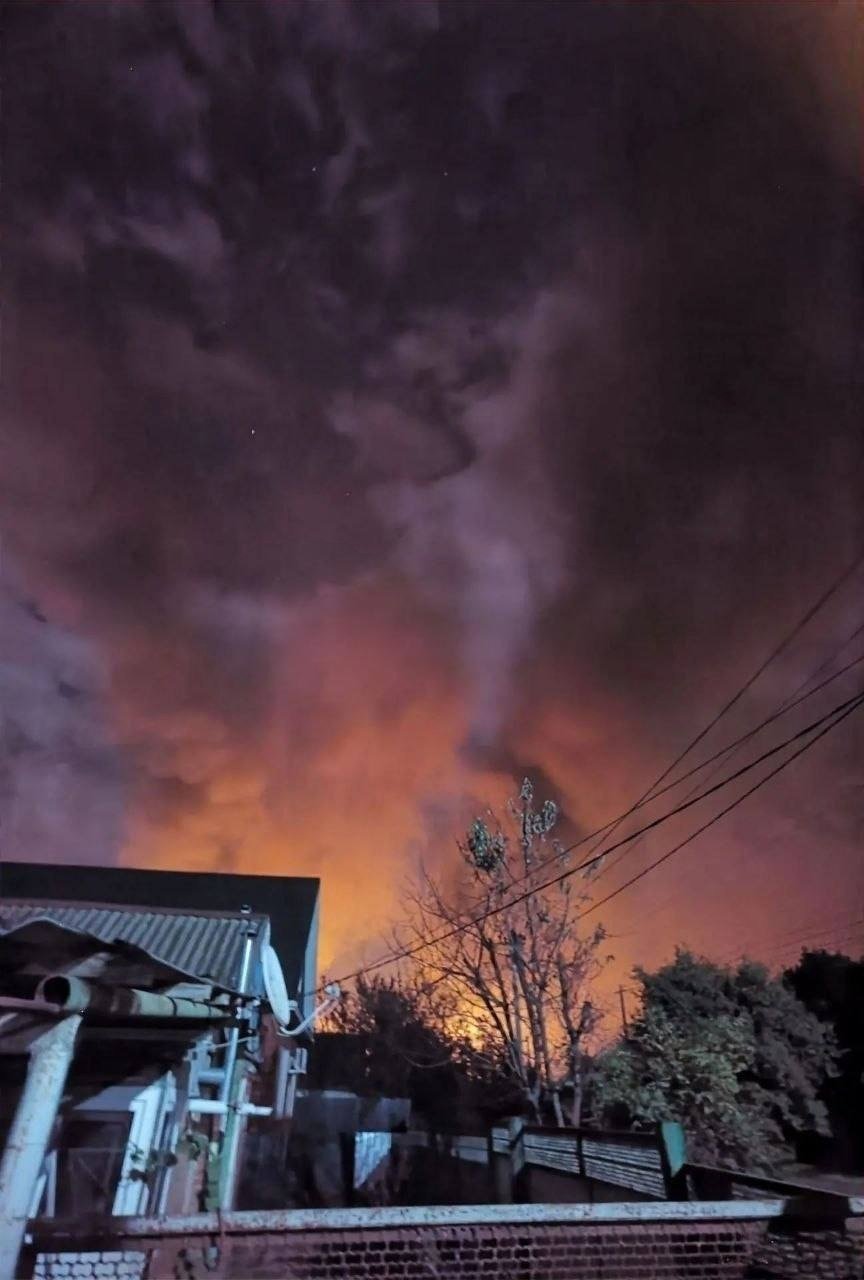
Overnight strikes hit Russia's Krasnodar Krai and Rostov region. Ukraine's General Staff confirmed a strike on the Ilsky oil refinery in Krasnodar Krai.
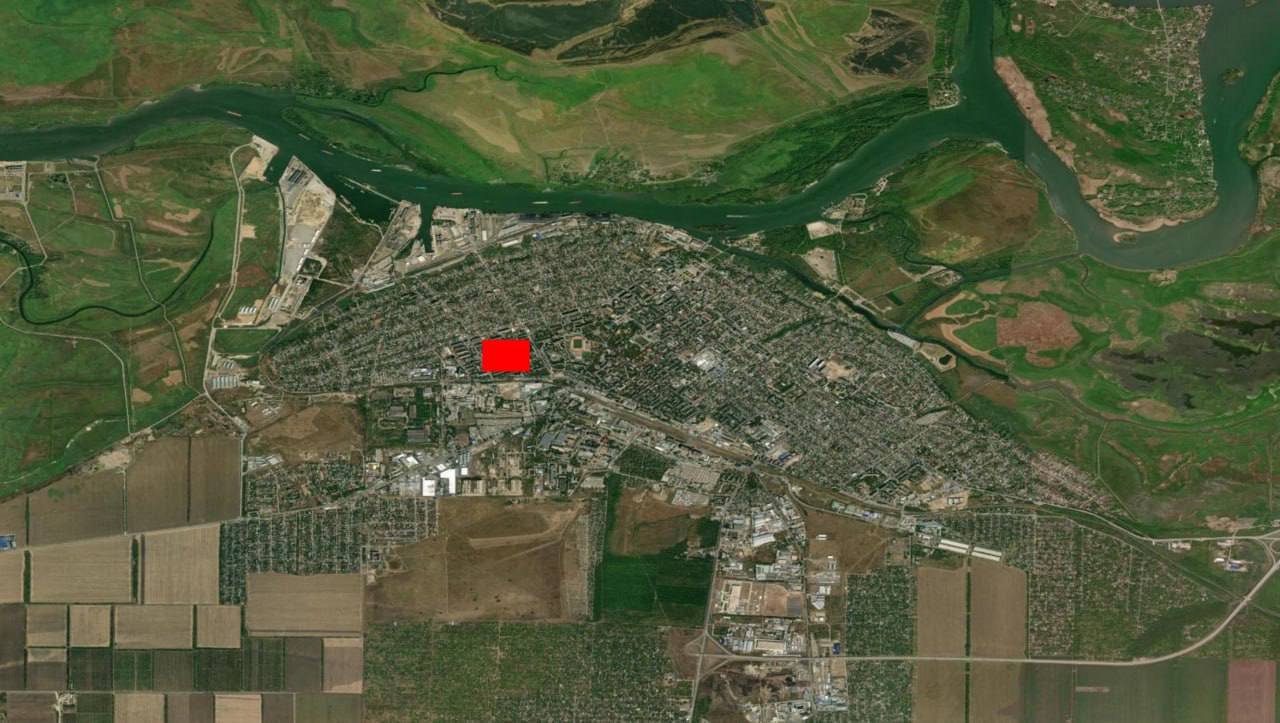
In the Rostov region, the governor reported an attack on Azov. Local monitoring channels reported missile strikes, possibly jet-powered drones, targeting port infrastructure and the Azov Optical-Mechanical Plant, while NASA FIRMS flagged a fire hotspot nearby.

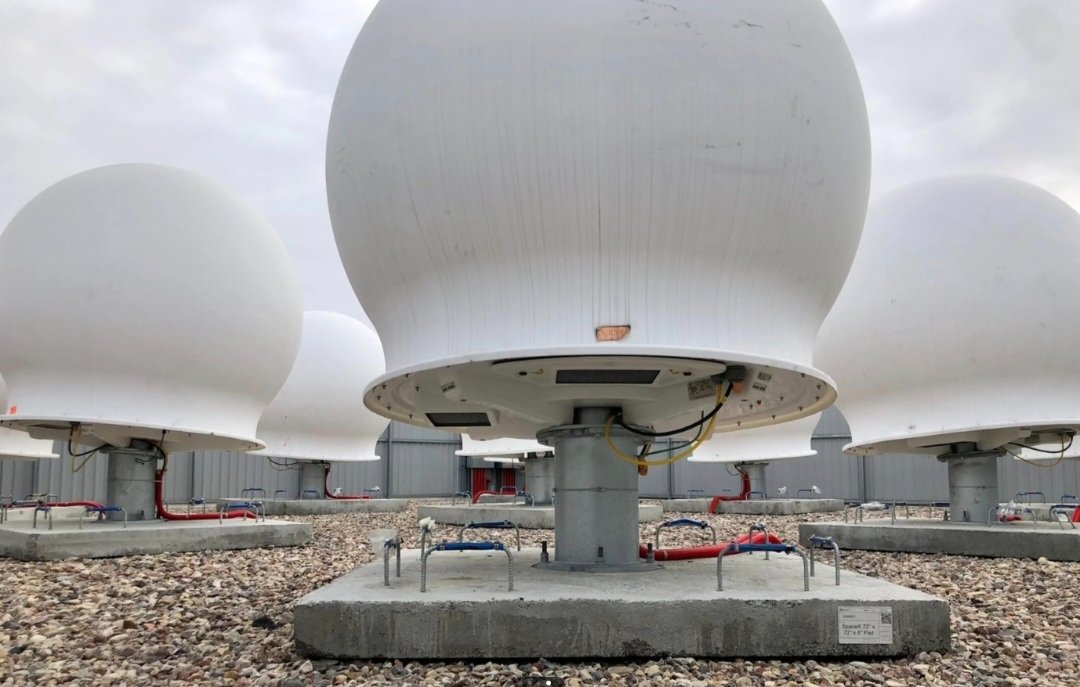
Polish authorities have confirmed that a fire at a Starlink ground station in the Grójec district was deliberately set. According to Deputy Interior Minister Czesław Mroczek, surveillance footage provides evidence of arson, shifting the investigation from an earlier consideration of an electrical fault.
The fire, which broke out in Wola Krobowska in the Mazovia region, damaged the station's power supply infrastructure and a power generator. The facility is operated by the state-owned telecommunications company Exatel and is used to transmit internet traffic across Poland and to Ukraine, as well as supporting SpaceX Starlink terminals. Deputy Prime Minister and Digital Affairs Minister Krzysztof Gawkowski previously stated that the incident fits a pattern of sabotage threats against critical infrastructure.


The United States has lifted its ban on the Ukrainian unit "Azov Brigade" - a unit that for around 10 years has not been able to use any US provided assistance.
The ban originates over what was then the Azov Battalion's ties to neo-nazi and far right organisations, but has not been the case for considerable time.