Live feed




While GPS was once the undisputed king of satnav (and a key instrument of American soft power), it now has a growing list of Global Navigation Satellite Systems (GNSS) competitors – from China’s BeiDou to the European Union’s Galileo, Russia’s GLONASS and even India’s regional system, NavIC.
Without question, the most significant rival comes from China, as the country is actively seeking to displace GPS as the world’s dominant satnav system and, in so doing, to increase its own soft power influence on the nations that use it. The National Space-Based Positioning, Navigation and Timing Advisory Board (PNTAB) warned that “GPS’s capabilities are now substantially inferior to those of China’s BeiDou” and urged the U.S. to regain PNT leadership over the next decade.
While China and the EU have been investing heavily in their GNSS systems, the U.S. military is only making modest improvements to GPS.
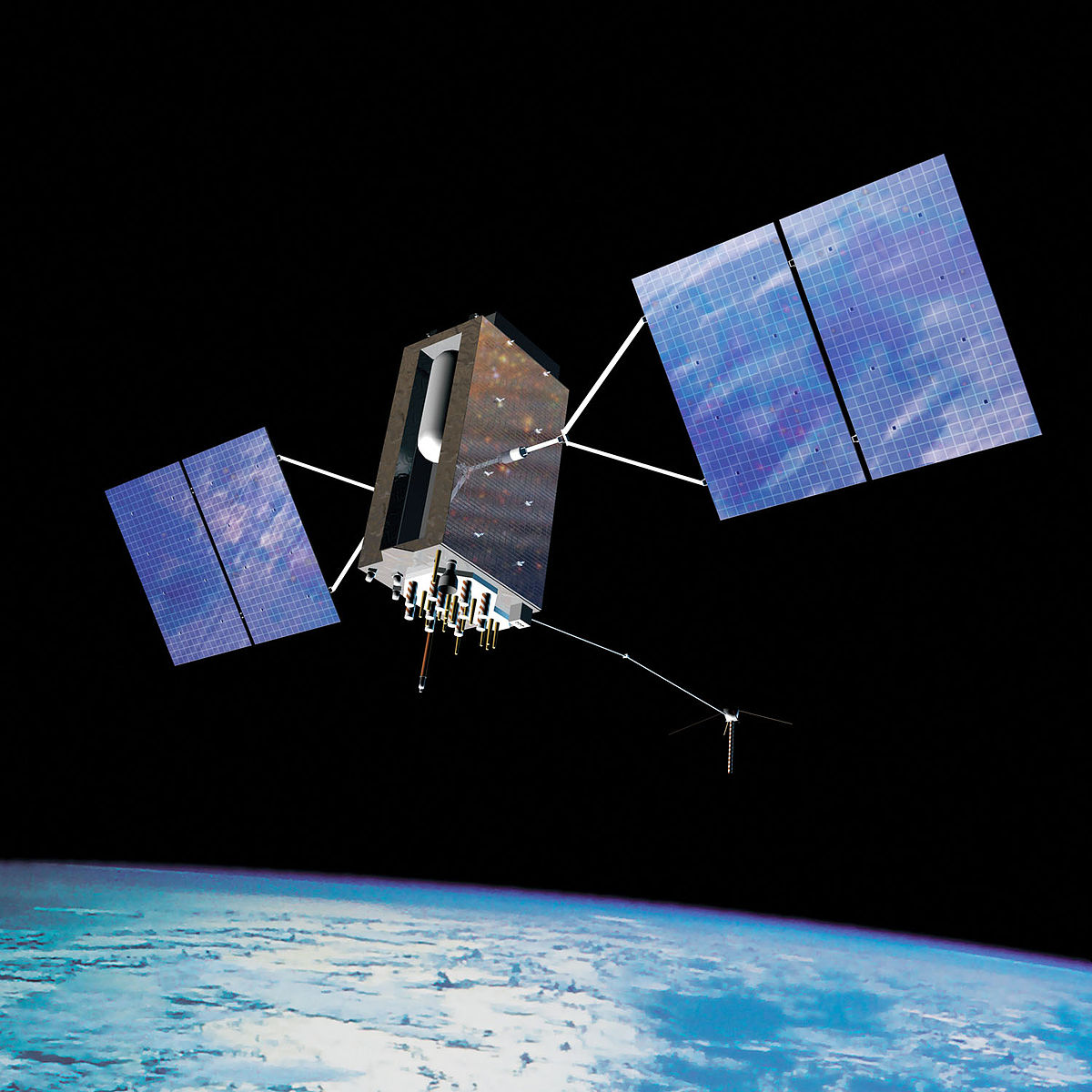
The U.S. is currently replacing 1990s-era GPS satellites with newer GPS 3 satellites. However, GPS 3 is not a trailblazing technology. Originally intended to launch in 2014, these satellites offer only moderate improvements to GPS 2, such as an upgraded accuracy of 1 to 3 meters. This is less than what Galileo can provide. GPS 3 will eventually be followed by GPS 3F, which is expected to provide additional capabilities such as the first completely digital navigation payload. However, GPS 3F could take until the mid-2030s to be completed.
The military’s next-generation PNT system, known as NTS-3, is still only in the R&D phase, with the first test satellite to deploy no sooner than late this year. It is unclear how long it will take before NTS-3 is fully operational.
BeiDou’s advantages over GPS With 56 satellites in orbit, China’s BeiDou is now nearly twice the size of GPS. It also has over ten times as many monitoring stations, many of which are in developing nations.